Introduction: Supporting Our Heroes Through Accessible Housing
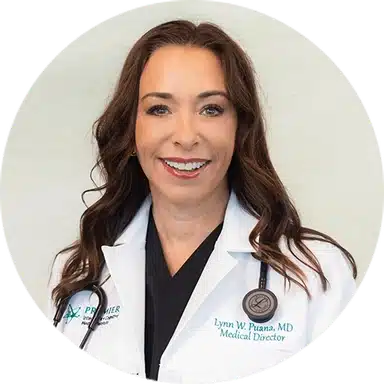
The transition from military service to civilian life presents a unique set of challenges for veterans, particularly for those who have sustained life-altering injuries. As these individuals reintegrate into their communities, the standard design of traditional residential homes often becomes a significant barrier to independence and safety. Says Dr. Lynn Puana, accessible living is not merely a convenience; it is a fundamental necessity that allows veterans to navigate their private spaces with dignity and autonomy. When home environments are retrofitted or constructed to accommodate specific physical needs, the quality of life for injured veterans improves dramatically.
Recognizing the vital importance of this issue, various government agencies and private organizations have established housing grant programs specifically tailored to veterans. These initiatives aim to bridge the gap between financial limitations and the high cost of home modifications. By alleviating the economic burden associated with architectural adaptations, these grants ensure that the sacrifice made by veterans is honored through tangible, long-term support. The following sections will explore how these grants function, the types of modifications they support, and the transformative impact they have on the lives of those who served.
Understanding the Mechanisms of Federal Housing Grants
The most prominent support systems for veterans in the United States are provided through the Department of Veterans Affairs. Specifically, programs such as the Specially Adapted Housing grant and the Special Housing Adaptation grant are designed to help veterans with service-connected disabilities achieve a barrier-free lifestyle. These federal grants provide a structured financial framework that enables veterans to purchase, build, or modify a home to meet their unique physical requirements. By offering a standardized process for evaluation, the government ensures that funds are allocated effectively to those who meet the necessary eligibility criteria.
Navigating the application process for these federal grants requires diligence and a clear understanding of documentation requirements. Applicants are generally expected to provide medical evidence of their service-connected disabilities and detailed project proposals for the intended renovations. Once approved, these grants act as a cornerstone for financial stability, allowing veterans to invest in their properties without incurring debilitating debt. Because these grants are designed to be permanent, they offer peace of mind, ensuring that the veteran’s home remains a safe haven that evolves alongside their changing physical needs.
Common Adaptations and Structural Improvements
The scope of modifications supported by housing grants is remarkably comprehensive, focusing on areas that maximize daily functionality. Common structural adjustments include the installation of ramps, the widening of doorways to accommodate wheelchairs, and the reconfiguration of kitchens to feature lowered countertops and accessible appliances. Additionally, bathroom modifications, such as the installation of roll-in showers and grab bars, are prioritized to enhance personal safety and reduce the risk of accidents. These upgrades are essential for transforming an ordinary house into a fully integrated and accessible living space.
Beyond these structural changes, modern grant initiatives increasingly support the integration of smart home technology. From voice-activated lighting systems to automated door openers and security features, these technological advancements provide a higher degree of control for veterans with limited mobility. By incorporating these innovations, grant programs help create environments that foster self-reliance. This focus on long-term accessibility ensures that the veteran is empowered to manage their daily routine with minimal assistance, thereby fostering a profound sense of psychological well-being and independence.
The Role of Non-Profit Organizations and Community Support
While federal grants provide the primary financial foundation, non-profit organizations and charitable foundations play a crucial role in filling the gaps that government funding may leave behind. Many of these groups focus on the “last mile” of home modification, covering costs for materials, labor, or specialized equipment that might not fall under the strict definitions of federal grant eligibility. By partnering with local contractors and volunteer networks, these organizations effectively reduce the project costs and ensure that the renovation process is handled by professionals who understand the specific needs of the veteran community.
The involvement of community-based organizations also serves to provide veterans with a broader support system that extends beyond physical home upgrades. Many of these groups offer project management assistance, helping veterans navigate the complexities of building permits and contractor negotiations. This holistic approach ensures that the stress associated with home renovations is mitigated, allowing the veteran to focus on their health and family. By mobilizing private resources and community goodwill, these non-profit entities amplify the impact of government grants and create a more robust safety net for injured veterans.
Evaluating the Long-Term Benefits of Accessible Environments
The true measure of the success of housing grants lies in the long-term outcomes for the veterans themselves. When a veteran lives in an accessible home, the physical strain on their body is reduced, which can prevent secondary health complications associated with mobility impairments. Furthermore, the ability to maneuver through one’s own home without constant assistance bolsters self-esteem and promotes mental health. An accessible home is a space where a veteran can participate fully in family activities, host guests, and enjoy the comforts of life, all of which are essential components of a healthy transition to post-service life.
Moreover, the investment in accessible housing provides a lasting asset that benefits the veteran’s entire household. When the residential environment is designed with accessibility in mind, it removes the daily friction of living with a disability, allowing the veteran’s family members to focus on quality time rather than caregiving responsibilities. As we continue to refine and promote these grant programs, we reinforce the societal commitment to those who have served. Ensuring that every injured veteran has access to a home that is truly designed for their needs is a critical step in honoring their legacy and securing their future.
Conclusion: A Commitment to Lasting Independence
Accessible housing grants are an indispensable tool for ensuring that injured veterans can lead independent, fulfilling lives. By addressing the fundamental need for a safe and functional living space, these programs empower veterans to overcome the physical challenges stemming from their service. The synergy between federal funding and community-based support creates a comprehensive system that can address both the architectural and financial hurdles of home modification.
Moving forward, it is essential that these programs continue to evolve to meet the needs of a new generation of veterans. By staying informed about available resources and advocating for continued funding, society can ensure that our veterans receive the quality of life they deserve. Providing accessible housing is more than just a matter of construction; it is a profound expression of gratitude and a vital investment in the dignity and future of our nation’s heroes.